

architectural stone-201000438701
Architectural Stone: Timeless Material in Built Form
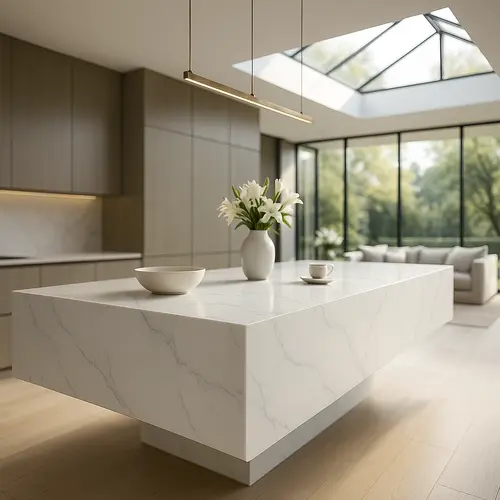
Architectural stone has been one of the most enduring and influential materials in the history of construction. From ancient monuments to contemporary buildings, stone has played a vital role in shaping architectural identity, cultural expression, and structural integrity. Its durability, natural beauty, and versatility have made it a preferred choice for builders and architects across civilizations and eras.
Stone is a natural material extracted from quarries and shaped for use in construction and decoration. Common types of architectural stone include limestone, granite, marble, sandstone, slate, and travertine. Each type possesses distinct physical and aesthetic properties that influence how and where it is used. For example, granite is known for its exceptional strength and resistance to weathering, making it suitable for structural elements and exterior facades. Marble, on the other hand, is valued for its smooth texture and elegant appearance, often used in interiors, sculptures, and decorative features.
Historically, architectural stone has been associated with permanence and power. Ancient civilizations such as the Egyptians, Greeks, and Romans relied heavily on stone to construct temples, palaces, and public buildings. These structures were not only functional but also symbolic, representing religious beliefs, political authority, and artistic achievement. The survival of many of these stone buildings over thousands of years is a testament to the material’s durability and resilience.
In medieval architecture, stone became the primary material for castles, cathedrals, and fortifications. The use of stone allowed for thicker walls, taller structures, and intricate carvings. Gothic cathedrals, for instance, demonstrate how stone could be engineered into complex forms such as arches, vaults, and flying buttresses, combining structural innovation with artistic expression. Stone carving also flourished during this period, adding narrative and symbolic elements to architecture.
In modern architecture, architectural stone continues to be relevant, though its role has evolved. Advances in engineering and construction technology have introduced materials such as steel, concrete, and glass, reducing stone’s structural dominance. However, stone remains highly valued as a cladding and finishing material. Thin stone panels and veneers are now commonly used to achieve the appearance of solid stone while reducing weight and cost. This allows architects to combine traditional aesthetics with modern construction methods.
One of the key advantages of architectural stone is its sustainability. As a natural material, stone requires minimal processing compared to manufactured materials, resulting in lower embodied energy. It is also highly durable, often lasting the entire lifespan of a building with little maintenance. Additionally, stone can be reused or recycled, further enhancing its environmental value. Local sourcing of stone can also reduce transportation impacts and strengthen regional architectural character.
Aesthetically, stone offers a unique range of colors, textures, and patterns formed by natural geological processes. No two pieces of stone are exactly alike, giving buildings a sense of individuality and authenticity. Stone surfaces can be finished in various ways—polished, honed, rough-cut, or carved—to achieve different visual and tactile effects. This flexibility makes stone suitable for both traditional and contemporary design styles.
Despite its many benefits, architectural stone also presents challenges. Quarrying and transportation can be expensive, and skilled labor is often required for cutting and installation. Improper detailing can lead to issues such as cracking, staining, or weather-related deterioration. Therefore, careful selection, design, and maintenance are essential to ensure long-term performance.
In conclusion, architectural stone is a material that bridges the past and the present. Its historical significance, structural reliability, aesthetic richness, and sustainable qualities continue to make it an important element in architecture. Whether used in monumental buildings or modern designs, stone remains a symbol of durability, craftsmanship, and timeless beauty in the built environment.


Add a comment