

countertop engineered stone-201000438701
Countertop Engineered Stone: A Modern Surface Solution
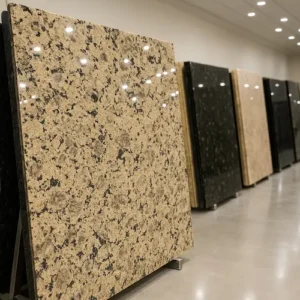
countertop engineered stone has become one of the most popular materials for kitchen and bathroom countertops in recent years. Known for its durability, consistency, and aesthetic versatility, engineered stone offers a practical alternative to natural stone while maintaining a premium look. This article explores what engineered stone is, how it is made, its advantages and disadvantages, and why it continues to gain popularity in residential and commercial spaces.
Engineered stone is a man-made material composed primarily of crushed natural stone—most commonly quartz—combined with polymer resins and pigments. Typically, engineered quartz contains around 90–95% natural quartz, with the remaining percentage made up of binding resins and color additives. This mixture is compacted under high pressure and cured to create dense, non-porous slabs. The manufacturing process allows for precise control over color, pattern, and performance characteristics, which is a major reason for its widespread use.
One of the key advantages of countertop engineered stone is their durability. Quartz is one of the hardest minerals found in nature, making engineered stone highly resistant to scratches, chips, and cracks under normal use. This durability makes it an excellent choice for busy kitchens where countertops are exposed to heavy daily wear. Unlike some natural stones, engineered stone does not require periodic sealing, which significantly reduces maintenance efforts over time.
Another important benefit is its non-porous nature. Because the resins bind the stone particles tightly together, engineered stone does not absorb liquids easily. This makes it highly resistant to stains from common household substances such as coffee, wine, oils, and acidic foods. The non-porous surface also inhibits the growth of bacteria and mold, making engineered stone a hygienic option for food preparation areas and bathrooms.
Aesthetic versatility is another strong selling point. countertop engineered stone is available in a wide range of colors, patterns, and finishes. It can mimic the appearance of natural stones like marble or granite while offering more uniformity. For homeowners and designers seeking a consistent look across large surfaces or multiple slabs, engineered stone provides predictability that natural stone cannot always guarantee. From minimalist solid colors to complex veining designs, there is an option to suit nearly every design style.
Despite its many advantages, engineered stone does have some limitations. One of the most notable concerns is heat resistance. While engineered stone can withstand moderate heat, prolonged exposure to very high temperatures—such as placing hot pots or pans directly on the surface—can damage the resin binders, leading to discoloration or cracking. Using trivets or heat pads is strongly recommended to protect the surface.
Cost is another factor to consider. Engineered stone countertops are generally priced in the mid to high range, often comparable to or slightly less than high-end natural stones. While the long-term maintenance savings can offset the initial investment, the upfront cost may still be a consideration for budget-conscious projects.
Environmental considerations also play a role in material selection. Engineered stone uses natural stone waste and offcuts, which can reduce quarrying waste. However, the resins used are petroleum-based, and the manufacturing process can be energy-intensive. Some manufacturers are now addressing this by offering products with recycled content and more sustainable production methods.
In conclusion, countertop engineered stone represent a balanced combination of beauty, performance, and practicality. Their durability, low maintenance, hygienic properties, and design flexibility make them a strong contender for modern kitchens and bathrooms. While they require some care regarding heat exposure and come with a moderate to high price point, their overall benefits continue to drive their popularity. For those seeking a reliable, stylish, and long-lasting countertop material, engineered stone remains a compelling choice.
Add a comment