

Granite stones-201000438701
Granite Stones: Formation, Properties, Uses, and Market Value
Granite is one of the most widely recognized and utilized natural stones in the world. Known for its durability, timeless beauty, and remarkable versatility, it has been a cornerstone material in architecture, construction, and interior design for centuries. Understanding granite’s geological origins, physical characteristics, and key applications provides insight into why it remains such a dominant choice in both modern and traditional projects.
Granite is an igneous rock, meaning it forms from the slow crystallization of magma deep beneath the Earth’s surface. This slow cooling process allows large mineral grains to develop, giving granite its signature coarse-grained texture. The stone is primarily composed of quartz, feldspar, and mica, though small amounts of other minerals can be present. These minerals not only influence the appearance of granite but also contribute to its exceptional strength and durability.
One of the most impressive qualities of granite is its hardness. Ranking around 6–7 on the Mohs hardness scale, granite is highly resistant to scratching and abrasion. This makes it particularly suitable for high-traffic or high-use areas such as kitchen countertops, flooring, and exterior pavements. In addition to its hardness, granite also boasts excellent resistance to heat, weathering, and chemical exposure, further solidifying its reputation as a long-lasting building material.
Aesthetic appeal is another major reason for granite’s popularity. The stone is available in a vast range of colors, patterns, and textures, depending on its mineral composition and quarry location. From deep blacks and vibrant reds to subtle grays and creamy whites, granite offers hundreds of distinctive variations. Its patterns often feature naturally occurring veins, speckles, and swirls, giving each slab a unique, one-of-a-kind appearance. This natural diversity allows designers and homeowners to choose granite that fits a wide variety of design themes—rustic, modern, classic, or luxurious.
Granite’s applications extend far beyond kitchens and bathrooms. In construction, it has long been used for structural and decorative purposes. Exterior granite cladding provides buildings with protection against harsh environmental conditions while offering an elegant finish. Granite is also commonly used in monuments, statues, memorials, bridges, and paving stones. Its strength and weather resistance make it ideal for outdoor installations that must withstand fluctuating climates, heavy use, and exposure to pollutants.
In landscaping, granite is a favored material for garden pathways, retaining walls, and decorative boulders. Crushed granite is also used as a base material for roads, drainage systems, and railroad ballast. The versatility of granite in both functional and aesthetic contexts keeps it in high demand across multiple industries.
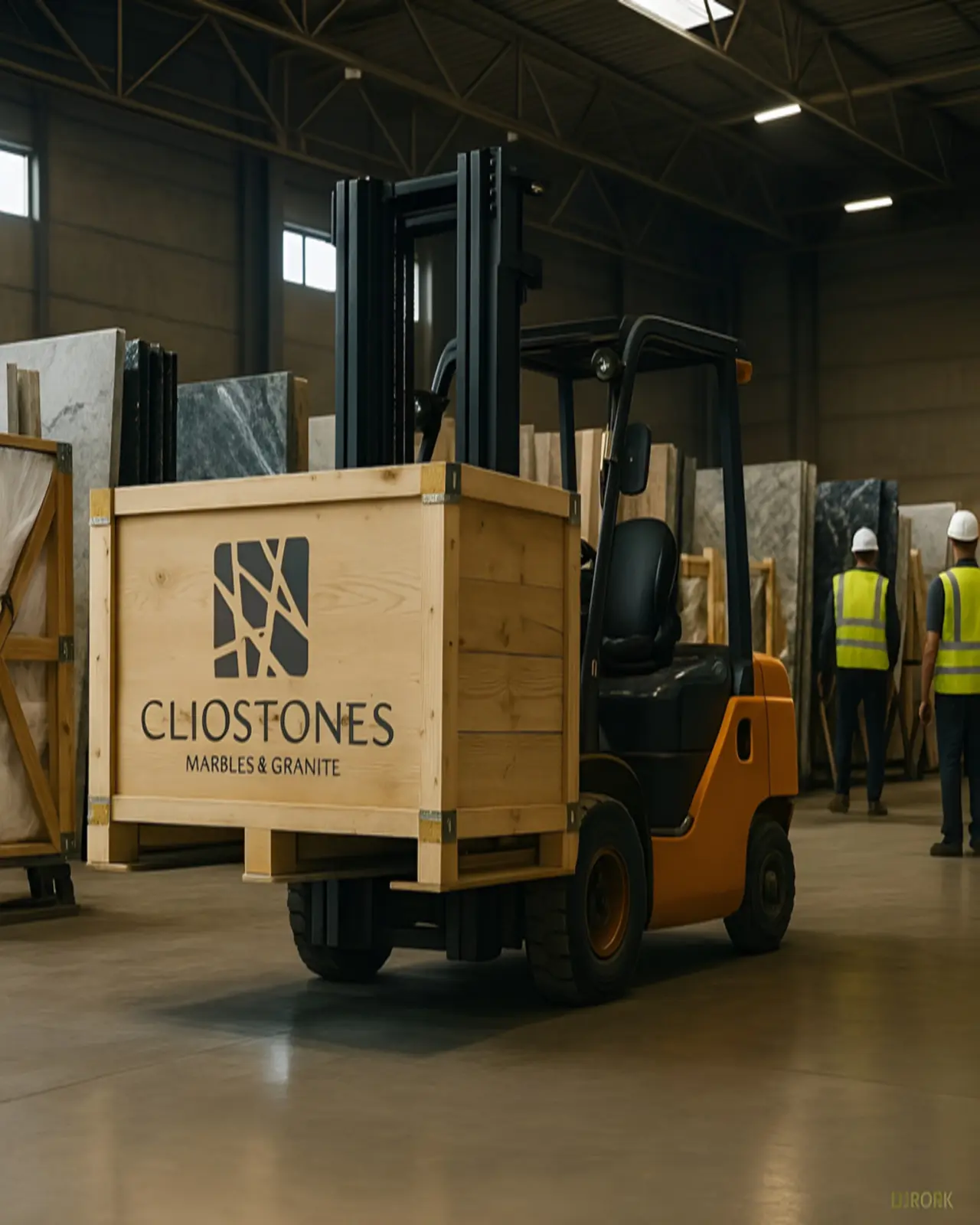
The granite industry operates on a global scale, with major producers including Brazil, India, China, and several African countries. The quality, color, and rarity of certain granite types significantly influence their price in the international market. Exotic varieties with unusual patterns or limited availability often command higher prices. Additionally, costs can vary depending on quarrying methods, transportation, finishing techniques, and slab thickness.
Despite granite stone’s many advantages, granite does come with some considerations. Being a natural stone, granite stones require proper sealing to maintain stain resistance, especially in areas like kitchens where oils and acidic substances are common. However, modern sealing technologies have made maintenance easier and longer-lasting than ever before. Another factor is weight—granite is extremely heavy, which can increase installation complexity and shipping costs. Still, most users consider these challenges minor compared to the stone’s long-term benefits.
Ultimately, granite remains an enduring favorite due to its combination of beauty, strength, and longevity. Whether used in a family kitchen, a skyscraper façade, or a public memorial, granite provides both practical performance and aesthetic distinction. As design trends continue to evolve, granite’s natural charm and proven reliability ensure that it maintains a central place in architecture and modern living spaces around the world.


Add a comment