

marble and granite-201000438701
Marble and Granite: Timeless Stones Shaping Architecture and Design
Marble and granite are among the most admired natural stones used in architecture, interior design, and construction. Their beauty, durability, and long history in human craftsmanship make them essential materials for both functional and artistic purposes. Although often grouped together, marble and granite differ in composition, appearance, and performance, allowing each to offer unique advantages depending on the project.
Formation and Characteristics
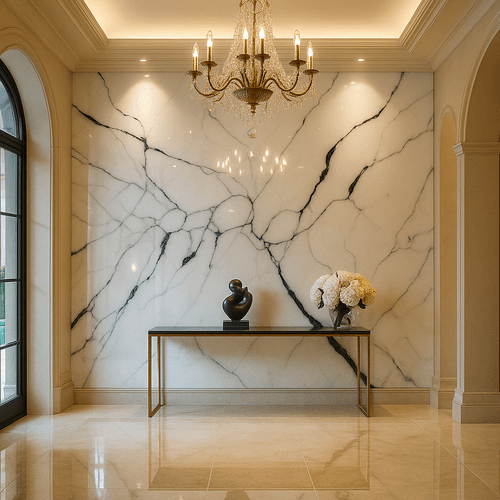
Marble is a metamorphic rock that forms when limestone is subjected to intense heat and pressure deep within the Earth. This process recrystallizes the minerals, creating a smooth, dense stone with characteristic veining. The veining occurs because impurities such as clay, silt, or iron oxide become trapped during formation, resulting in flowing lines and patterns that give marble its elegant, luxurious look. Marble is relatively softer compared to granite, typically rating between 3 and 5 on the Mohs hardness scale.
Granite, on the other hand, is an igneous rock formed from the slow cooling of magma beneath the Earth’s surface. It contains a mixture of minerals—mainly quartz, feldspar, and mica—which give it a speckled appearance and exceptional hardness. Granite is significantly stronger than marble, rating around 6 to 7 on the Mohs scale. The varied mineral composition results in a wide variety of colors and patterns, ranging from subtle neutrals to vibrant reds and blues.
Uses in Architecture and Design
Marble has been treasured since ancient times. It was used to build temples, statues, and palaces in ancient Greece and Rome, symbolizing refinement and beauty. Today, marble is still favored for monuments, sculptures, flooring, and interior applications such as countertops, fireplaces, and bathroom walls. Its smooth texture and classic appearance bring a sense of sophistication and timelessness to any space.
Granite’s strengths make it ideal for both indoor and outdoor use. In home design, granite is widely used for kitchen countertops due to its resistance to heat, scratching, and moisture. It is also popular for flooring, building facades, paving stones, and landscaping. Because granite withstands harsh weather conditions, it is a common choice for exterior cladding, public monuments, and commercial buildings.
Durability and Maintenance
While marble is undeniably beautiful, it requires more care than granite. Its porous nature makes it susceptible to staining, especially from acidic substances like lemon juice, vinegar, or wine. Marble also scratches more easily, so it is often sealed periodically to protect its surface. Owners must be mindful of using gentle cleaning products to maintain marble’s natural shine and prevent long-term damage.
Granite is known for its toughness and resistance to everyday wear. It does not scratch easily and withstands high temperatures, which is why it is preferred in busy kitchens. Although granite is less porous than marble, sealing it once a year is recommended to prevent moisture or oil from penetrating the surface. With proper maintenance, granite surfaces can last for decades while maintaining their original luster.
Aesthetic Appeal and Design Versatility
Marble’s beauty lies in its soft veining and luxurious feel. It is often chosen for spaces meant to evoke elegance, such as hotel lobbies, formal dining rooms, or master bathrooms. Because no two marble slabs are identical, each installation feels unique and artistic.
Granite offers greater variation in pattern and color, allowing designers to match it with nearly any interior style—from modern industrial kitchens to rustic outdoor patios. Its speckled minerals create a dynamic visual texture, making granite a statement material in both homes and commercial spaces.
Sustainability and Value
Both marble and granite are natural materials, which makes them eco-friendly options compared to synthetic alternatives. They are long-lasting, reusable, and recyclable. Investments in these stones often increase property value due to their lasting beauty and durability.
Conclusion
Marble and granite continue to shape architecture and interior design with their natural charm and practical benefits. Whether one seeks the classic, artistic elegance of marble or the strength and versatility of granite, these stones remain timeless choices that bring beauty and value to any project.


Add a comment