

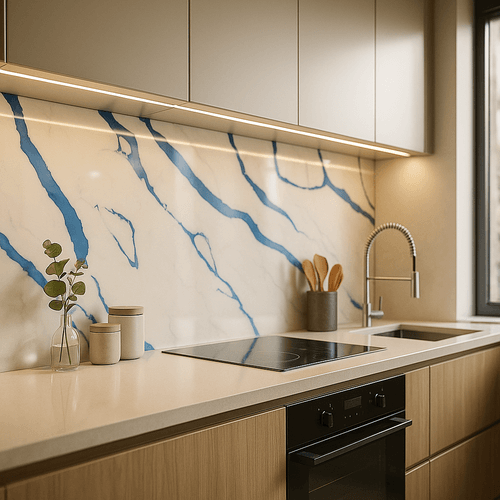
marble stone-201000438701
Marble Stone: A Timeless Material of Beauty and Strength
Marble stone has long been regarded as one of the most elegant and luxurious materials used in construction, interior design, and artistic expression. Its natural beauty, refined texture, and historical significance have made it a preferred choice for architects, designers, and craftsmen for thousands of years. From ancient monuments to modern homes, marble continues to hold a special place in the world of natural stone.
Formation and Composition
Marble is a metamorphic rock formed when limestone undergoes intense heat and pressure beneath the Earth’s crust. This transformative process causes the minerals within the limestone, primarily calcite, to recrystallize and develop a denser, more compact structure. The result is a stone with a smooth texture and striking veining patterns. These veins are created by impurities such as clay, sand, and iron oxide that become trapped during the metamorphism process, giving each slab a unique appearance.
Marble’s color varies widely depending on the minerals present during formation. White marble, like the famous Carrara marble from Italy, contains very few impurities, resulting in a pure, bright appearance. In contrast, the presence of minerals such as serpentine or hematite can give marble shades of green, pink, red, or black. This diverse range of colors makes marble an adaptable material that can complement many architectural styles.
Historical Significance
Throughout history, marble has symbolized luxury, power, and artistic excellence. Ancient civilizations such as the Greeks and Romans extensively used marble for building temples, sculptures, and public structures. Iconic landmarks like the Parthenon and Michelangelo’s sculptures demonstrate marble’s ability to withstand time while retaining its beauty.
In classical architecture, marble represented durability and sophistication. It was used to convey status and grandeur, and its presence often signified cultural and economic wealth. Even today, marble continues to be associated with prestige and elegance in both residential and commercial settings.
Modern Applications
In contemporary design, marble stone is used in a wide range of applications due to its versatility. It is commonly seen in flooring, kitchen countertops, bathroom walls, staircases, and fireplace surrounds. Designers appreciate marble not only for its visual appeal but also for its ability to create a sense of openness and brightness in interior spaces.
Marble slabs are often polished to achieve a glossy finish that enhances their natural patterns. Alternatively, honed or matte finishes are used to create a more subtle, modern look. The stone’s cool surface makes it especially popular in warm climates, where it helps maintain a comfortable indoor temperature.
In addition to interior uses, marble is also utilized outdoors for garden pathways, statues, fountains, and building facades. However, outdoor applications require careful selection, as some types of marble may weather or stain more easily when exposed to the elements.
Durability and Maintenance
Although marble is admired for its beauty, it requires proper care to maintain its appearance. The stone is relatively softer than granite and can be prone to scratching, chipping, or etching when exposed to acidic substances like lemon juice or vinegar. Because marble is porous, it can absorb liquids, which may cause staining if spills are not cleaned promptly.
To preserve marble’s natural shine, it is often sealed during installation and resealed periodically depending on usage. Regular cleaning with gentle, pH-neutral products is recommended to prevent damage. With proper maintenance, marble can retain its elegance for decades, making it a worthwhile investment for homeowners and designers alike.
Environmental Impact and Sustainability
Marble is a natural and recyclable material, making it a sustainable choice compared to synthetic alternatives. Quarrying practices have improved over the years, reducing waste and energy consumption. Because of its long lifespan, marble contributes to sustainable building practices by decreasing the need for frequent replacement.
Conclusion
Marble stone remains a timeless material valued for its beauty, versatility, and historical importance. Whether featured in grand architectural structures or used as a decorative element in modern interiors, marble continues to captivate with its unique patterns and luxurious appeal. Its enduring popularity is a testament to the rich legacy and natural artistry that this remarkable stone brings to every space it enhances.

Add a comment