

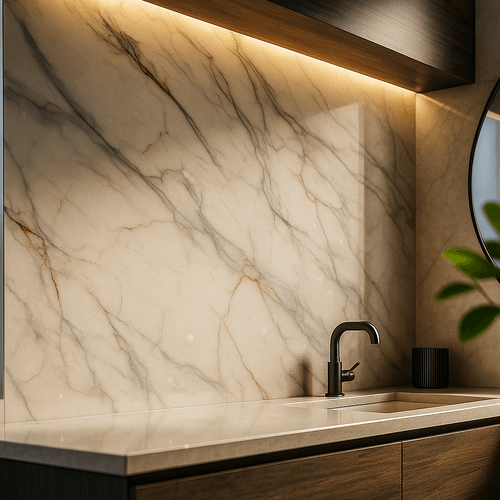
marble wall-201000438701
Marble Walls: Timeless Elegance in Modern and Classic Design
Marble walls have long been associated with luxury, sophistication, and timeless beauty. From ancient palaces and temples to contemporary homes and commercial spaces, marble has remained a favored material for wall design. Its natural patterns, durability, and aesthetic appeal make it a powerful element in interior and exterior architecture.
One of the most distinctive features of marble walls is their natural veining. Each slab of marble is unique, formed over thousands of years through geological processes. These veins create organic patterns that cannot be replicated by artificial materials. As a result, marble walls add character and depth to a space, making them both visually striking and exclusive. Whether the veining is subtle or bold, it enhances the overall design and gives walls a sense of movement and artistry.
Marble walls are commonly used in interior spaces such as living rooms, bathrooms, kitchens, and hallways. In living rooms, a marble accent wall can serve as a focal point, instantly elevating the space. Paired with modern lighting and minimalist furniture, marble creates a balanced blend of elegance and simplicity. In bathrooms, marble walls are especially popular because they convey a spa-like atmosphere. The smooth surface and cool tones of marble promote relaxation while also offering practical benefits such as water resistance and easy cleaning.
In kitchens, they are often used as backsplashes. They protect walls from heat and stains while adding a refined touch. White marble with soft gray veins is particularly popular in kitchen designs because it complements both classic and modern cabinetry. Darker marble tones, such as black or green, are also gaining popularity for creating bold and dramatic kitchen interiors.
Beyond residential spaces, marble walls are widely used in hotels, offices, and retail environments. In commercial settings, marble conveys professionalism, prestige, and trust. Hotel lobbies and reception areas often feature marble walls to create a strong first impression. Similarly, corporate offices use marble to reflect stability and high standards, while luxury retail stores rely on it to enhance brand image.
Durability is another major advantage of marble walls. Marble is a natural stone known for its strength and longevity. When properly installed and maintained, marble walls can last for decades without losing their charm. Although marble is softer than some other stones like granite, it is still highly resistant to wear when used on walls, where it is less exposed to heavy impact. Regular sealing and gentle cleaning help preserve its surface and prevent staining.
it also contribute to temperature regulation. As a natural stone, marble remains cool, making it ideal for warm climates. This property has been appreciated since ancient times, particularly in Mediterranean architecture. In modern homes, marble walls can help maintain a comfortable indoor environment while adding aesthetic value.
Sustainability is becoming an important consideration in design, and marble can be a responsible choice when sourced ethically. Natural stone does not require chemical processing like many synthetic materials, and its long lifespan reduces the need for frequent replacement. Reclaimed or recycled marble is also increasingly used in contemporary projects, combining sustainability with classic beauty.
In conclusion, marble walls represent a perfect balance between beauty, functionality, and durability. Their timeless appeal transcends design trends, making them suitable for both traditional and modern spaces. Whether used as a statement feature or a subtle backdrop, marble walls enhance the elegance and value of any environment. With proper care and thoughtful design, marble walls remain an enduring symbol of refinement and architectural excellence.

Add a comment