

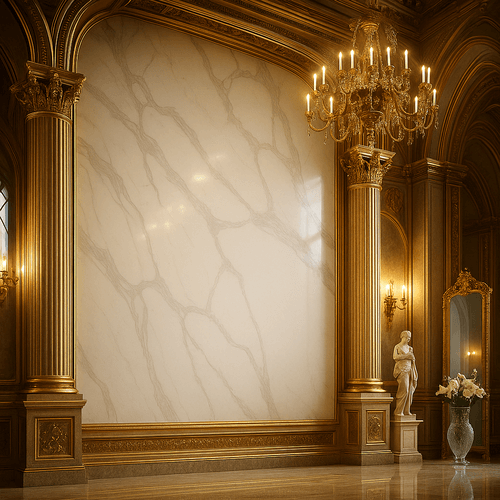
nature marble-201000438701
Nature Marble: Timeless Beauty from the Heart of Nature

Nature marble is one of the most admired and luxurious stones used in architecture and interior design. Formed deep within the Earth over millions of years, marble represents the perfect balance between natural beauty, durability, and elegance. From ancient civilizations to modern homes, natural marble has remained a symbol of sophistication and artistic expression.
Marble is a metamorphic rock that originates from limestone subjected to intense heat and pressure. This natural process transforms the stone, giving it a crystalline structure and unique veining patterns. No two marble slabs are ever identical, which makes each piece a natural work of art. The variations in color, texture, and veins are influenced by mineral impurities such as iron, graphite, or quartz, resulting in shades of white, gray, green, black, pink, and even gold.
One of the most notable qualities of nature marble is its timeless aesthetic appeal. It has been used for centuries in iconic structures such as the Parthenon in Greece, the Taj Mahal in India, and Michelangelo’s famous sculptures. These historic examples prove marble’s ability to withstand time while maintaining its beauty. Today, natural marble continues to be a preferred choice for luxury interiors, including flooring, countertops, wall cladding, staircases, and bathroom surfaces.
In addition to its visual appeal, nature marble offers excellent durability when properly maintained. It is strong enough to handle daily use, especially in low to medium traffic areas. However, marble is softer and more porous than some other natural stones like granite. This means it can absorb liquids and may stain if not sealed correctly. Regular sealing and gentle cleaning help preserve its original shine and prevent damage.
Another advantage of natural marble is its versatility. It can be polished for a glossy, reflective finish or honed for a smooth, matte appearance. Polished marble enhances light and gives spaces a luxurious feel, while honed marble provides a more subtle, contemporary look with better slip resistance. This flexibility allows marble to suit both classic and modern design styles.
Nature marble is also valued for its cooling properties. It remains cool even in warm climates, making it an ideal flooring material for hot regions. This natural temperature regulation adds comfort and practicality, especially in large open spaces.
Despite its many advantages, natural marble does require care and attention. Acidic substances such as lemon juice, vinegar, or harsh cleaners can etch the surface and dull its finish. Using pH-neutral cleaners and wiping spills immediately are essential habits for marble maintenance. With proper care, marble surfaces can last for generations, often becoming more beautiful as they age.
From an environmental perspective, natural marble is a sustainable material when responsibly quarried. It is a natural product with a long lifespan, reducing the need for frequent replacement. Its durability and recyclability make it an eco-conscious choice compared to many synthetic materials.
In conclusion, nature marble is more than just a building material—it is a reflection of nature’s artistry and human craftsmanship. Its unique patterns, rich history, and enduring elegance make it a valuable investment for homes and architectural projects. While it requires mindful maintenance, the beauty and prestige it adds to any space make natural marble truly timeless.
Common Questions About Natural Marble
1. Is natural marble suitable for kitchens?
Yes, natural marble can be used in kitchens, especially for countertops, but it requires sealing and careful maintenance to prevent stains and etching.
2. How often should marble be sealed?
Most marble surfaces should be sealed every 6 to 12 months, depending on usage and exposure to moisture.
3. Does marble scratch easily?
Marble is softer than granite, so it can scratch, but minor scratches can often be polished out by professionals.
4. What is the difference between marble and granite?
Marble has a softer, more elegant appearance with veins, while granite is harder, more resistant to scratches, and has a speckled pattern.
5. Can marble be used in bathrooms?
Yes, marble is an excellent choice for bathrooms due to its beauty and cooling properties, as long as it is properly sealed.

Add a comment