

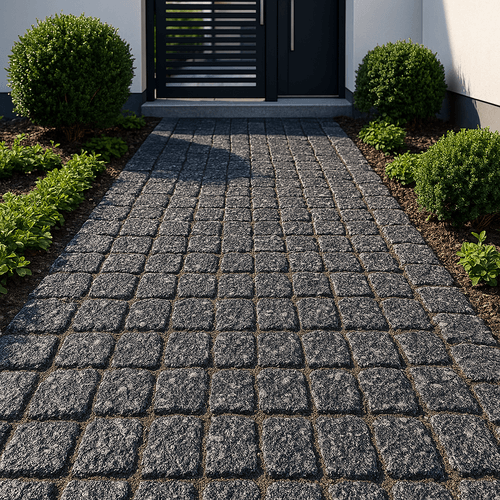
paving materials-201000438701
Paving Materials: Types, Uses, and Key Considerations

Paving materials play a crucial role in modern construction and landscape design. They are used to create durable, functional, and visually appealing surfaces for roads, driveways, sidewalks, patios, parking areas, and public spaces. Choosing the right paving material depends on factors such as load requirements, climate conditions, budget, maintenance needs, and aesthetic preferences. Understanding the main types of paving materials and their characteristics helps ensure long-lasting and cost-effective results.
One of the most commonly used paving materials is concrete. Concrete paving is popular due to its strength, durability, and versatility. It can be poured in place or used in the form of precast slabs and blocks. Concrete pavements are capable of supporting heavy loads, making them suitable for highways, industrial yards, and commercial areas. Additionally, modern techniques allow concrete to be stamped, colored, or textured to enhance its appearance. However, concrete can crack over time due to temperature changes and ground movement, and repairs may be noticeable if not done carefully.
Asphalt is another widely used paving material, especially for roads and parking lots. Made from aggregates bonded with bitumen, asphalt provides a smooth and flexible surface. Its flexibility allows it to withstand minor ground movement and temperature variations better than rigid pavements. Asphalt is relatively quick to install and usually costs less than concrete. It also offers easy repair options, as damaged areas can be resurfaced. On the downside, asphalt requires regular maintenance, such as sealing, and may soften in extremely hot climates or deteriorate faster under heavy traffic.
Stone paving offers a natural and elegant appearance, making it popular for landscaping and decorative applications. Materials such as granite, limestone, sandstone, and slate are commonly used. Stone pavements are extremely durable and can last for decades if properly installed. They also provide excellent resistance to weathering. However, stone paving tends to be more expensive due to material and labor costs. Installation requires skilled workmanship, and some types of stone may become slippery when wet if not properly treated.
Brick paving is valued for its classic look and long history of use. Bricks are typically made from clay and fired at high temperatures, resulting in a strong and wear-resistant material. Brick pavers are commonly used for walkways, courtyards, and residential driveways. They are easy to replace individually if damaged and maintain their color over time. However, brick pavements may shift if the base is not well prepared, and weeds can grow in the joints if not properly maintained.
Interlocking concrete pavers have gained popularity in recent years due to their practicality and design flexibility. These pavers are manufactured in various shapes, colors, and sizes and are installed in patterns that lock them together. This interlocking system distributes loads evenly, making them suitable for both pedestrian and vehicular traffic. Interlocking pavers are easy to repair since individual units can be removed and reinstalled. Their main drawback is the higher initial cost compared to asphalt, although lower maintenance expenses often balance this over time.
Another important category is permeable paving materials, which are designed to allow water to pass through the surface into the ground below. Examples include permeable concrete, porous asphalt, and specially designed pavers with open joints. These materials help reduce surface runoff, prevent flooding, and support sustainable drainage systems. Permeable pavements are especially useful in urban areas where stormwater management is a concern. However, they require proper installation and periodic cleaning to prevent clogging.
In conclusion, paving materials vary widely in terms of performance, appearance, cost, and environmental impact. Concrete and asphalt dominate large-scale infrastructure, while stone, brick, and interlocking pavers are favored for architectural and landscaping projects. Permeable options are becoming increasingly important for sustainable development. Selecting the appropriate paving material involves balancing functional requirements with aesthetic goals and long-term maintenance considerations. A well-chosen paving material not only enhances the durability of a surface but also adds value and visual appeal to the built environment.


Add a comment