

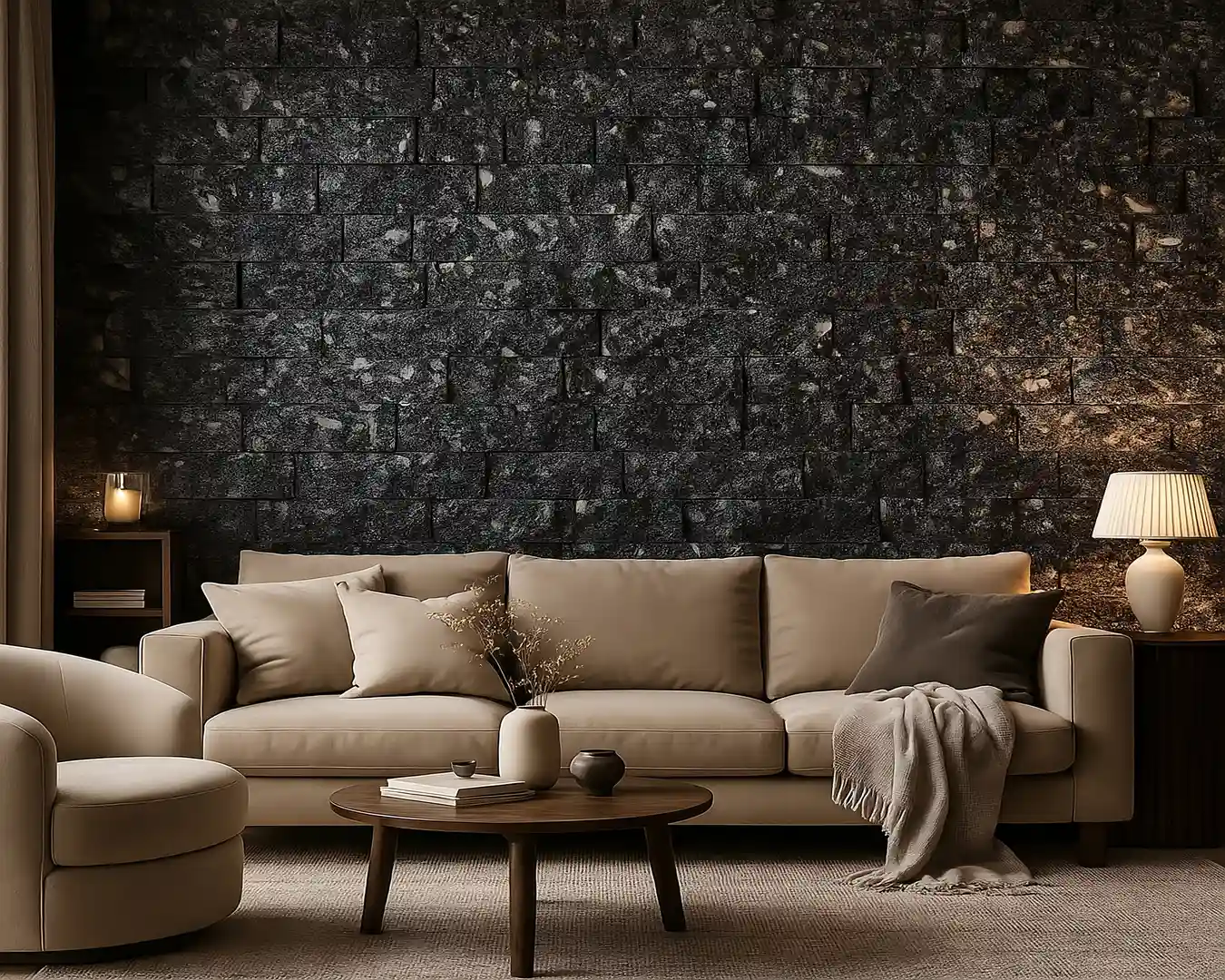
quartz in granite-201000438701
Quartz in Granite: Composition, Role, and Importance
Granite is one of the most common and widely used igneous rocks found on Earth. It is well known for its durability, strength, and attractive appearance, which makes it a popular choice for construction, interior design, and decorative purposes. One of the most important minerals that make up granite is quartz. Quartz plays a major role in determining the physical and chemical properties of granite, as well as its appearance and performance.
What is Quartz?
Quartz is a mineral composed of silicon dioxide (SiO₂). It is one of the most abundant minerals in the Earth’s crust and is found in many different types of rocks, including igneous, sedimentary, and metamorphic rocks. Quartz is known for its hardness, ranking 7 on the Mohs hardness scale, which makes it resistant to scratching and weathering. It commonly appears as clear, white, gray, or slightly colored crystals.
Granite and Its Mineral Composition
Granite is a coarse-grained igneous rock formed from the slow cooling of magma deep beneath the Earth’s surface. This slow cooling allows large mineral crystals to form, giving granite its characteristic texture. Granite mainly consists of three minerals: quartz, feldspar, and mica. Among these, quartz usually makes up 20–40% of the rock’s total composition.
The presence of quartz in granite contributes significantly to its hardness, durability, and resistance to chemical weathering. This is why granite is often used in demanding environments such as kitchen countertops, flooring, and outdoor construction.
Role of Quartz in Granite Properties
Quartz strongly influences the overall strength and durability of granite. Because quartz is very hard, it increases granite’s resistance to abrasion, making it ideal for surfaces exposed to frequent use. Additionally, quartz is chemically stable, meaning it does not easily react with water, acids, or other environmental factors. This helps granite maintain its appearance and structural integrity over long periods of time.
Another important role of quartz is its contribution to granite’s visual appeal. Quartz crystals often appear glassy or translucent, adding brightness and depth to the rock. Depending on the color and arrangement of quartz crystals, granite can display a wide range of patterns and shades, making each slab unique.
Formation of Quartz in Granite
Quartz forms in granite during the final stages of magma crystallization. As magma cools, minerals crystallize in a specific sequence based on their melting points. Feldspar and mica usually form first, while quartz crystallizes later when the remaining magma becomes rich in silica. This late formation explains why quartz often appears as distinct, well-formed crystals filling spaces between other minerals in granite.
Uses of Quartz-Bearing Granite
Granite containing high amounts of quartz is highly valued in both construction and decorative applications. Some common uses include:
Kitchen and bathroom countertops
Floor and wall tiles
Building facades
Monuments and statues
Paving stones
The quartz content ensures long-lasting durability, resistance to heat, and minimal maintenance requirements, making granite a practical and attractive choice.
Economic and Scientific Importance
Quartz in granite is not only important for construction but also for scientific research. Studying quartz helps geologists understand magma evolution, crust formation, and tectonic processes. In addition, quartz-rich granite deposits can indicate the presence of valuable minerals such as tin, tungsten, and rare earth elements.
Common Questions About Quartz in Granite
1. How much quartz is typically found in granite?
Granite usually contains between 20% and 40% quartz, depending on its origin and formation conditions.
2. Why is quartz important in granite?
Quartz increases granite’s hardness, durability, and resistance to weathering, making it suitable for construction and decorative uses.
3. Can granite exist without quartz?
True granite must contain quartz. If quartz is absent, the rock is classified as a different igneous rock, such as syenite.
4. Does quartz affect the color of granite?
Yes, quartz contributes to granite’s brightness and pattern, often giving it a light or translucent appearance.
5. Is quartz in granite natural or artificial?
Quartz in granite is completely natural, formed through geological processes over millions of years.


Add a comment