

quartz slab-201000438701
Quartz Slabs: A Modern Blend of Beauty, Durability, and Practicality
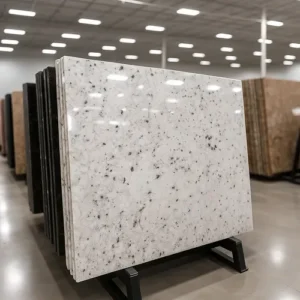
Quartz slab has become one of the most popular materials in contemporary interior design, admired for their durability, visual appeal, and low maintenance requirements. Whether used in kitchens, bathrooms, or commercial spaces, quartz slabs offer a powerful combination of strength and style that distinguishes them from natural stone options like granite or marble. As homeowners and designers seek materials that balance aesthetics with practicality, quartz has emerged as a leading choice in the world of surfacing.
Quartz slabs are engineered stone surfaces made from approximately 90–95% natural quartz crystals combined with resins, pigments, and other binding materials. This blend results in a non-porous, highly durable product that is resistant to stains, scratches, and moisture. Unlike natural stone, which requires periodic sealing and can be vulnerable to etching or discoloration, quartz slabs offer consistency and reliability. Their manufacturing process allows for a wide range of colors and patterns, from simple monochromatic styles to intricate designs that mimic natural marble veining.
One of the key advantages of quartz slabs is their exceptional strength and durability. Quartz is one of the hardest minerals on earth, ranking just below gemstones like topaz. This inherent toughness translates into a surface capable of enduring daily wear and tear without losing its aesthetic appeal. In busy kitchens, quartz countertops resist knife marks, heavy cookware impact, and spills from acidic ingredients such as lemon juice or vinegar. Because the material is non-porous, it does not harbor bacteria or absorb liquids, making it an excellent choice for families and individuals who want both beauty and hygienic performance.
Aesthetically, quartz slabs offer immense versatility. Manufacturers can produce slabs in a variety of colors, finishes, and patterns, allowing designers to tailor the look to any style—modern, classic, rustic, or industrial. Polished quartz provides a sleek, reflective finish suitable for contemporary spaces, while matte or textured finishes offer a more natural and subtle appearance. For those who love the luxurious look of marble but want something more resilient, engineered quartz provides convincing imitation with significantly improved practicality. The ability to maintain uniform patterns across large areas also makes quartz ideal for kitchen islands, backsplashes, and seamless wall cladding.
Maintenance is another major selling point for quartz slabs. While natural stones require frequent sealing to protect against stains, quartz requires minimal upkeep. Daily cleaning typically involves nothing more than a soft cloth, warm water, and mild soap. There is no need for special stone cleaners or protective treatments. Quartz is also resistant to mold and mildew, making it a perfect option for bathrooms and high-moisture environments. Its ease of care is particularly appealing to homeowners with busy lifestyles who want surfaces that remain beautiful without constant effort.
Despite its numerous advantages, quartz slabs do have a few limitations. One is sensitivity to extreme heat. Although quartz is heat-resistant to a degree, placing hot pots or pans directly on the surface can cause discoloration or damage due to the resin content. Using trivets or heat pads is recommended to protect the countertop. Another consideration is cost. High-quality quartz slabs can be more expensive than some natural stone alternatives, though many homeowners consider the long-term durability and low maintenance well worth the investment.
Environmentally, quartz offers both pros and cons. On one hand, many manufacturers incorporate recycled materials and adopt sustainable production practices. On the other hand, quartz is an engineered product, and the manufacturing process involves energy consumption and resin use. However, because quartz slabs are extremely long-lasting and rarely need replacement, they can still be an eco-conscious choice compared to lower-quality materials that wear out sooner.
In conclusion, quartz slabs are a standout option for anyone seeking a surfacing material that combines strength, beauty, and practicality. Their engineered composition ensures reliability, uniformity, and wide design flexibility, while their resistance to stains and scratches makes them ideal for high-traffic areas. Although they come at a higher price point and require some caution around heat, the long-term benefits make quartz a smart investment for both residential and commercial spaces. As modern design continues to favor materials that deliver both performance and visual impact, quartz slabs are likely to remain a top choice for many years to come.

Add a comment