

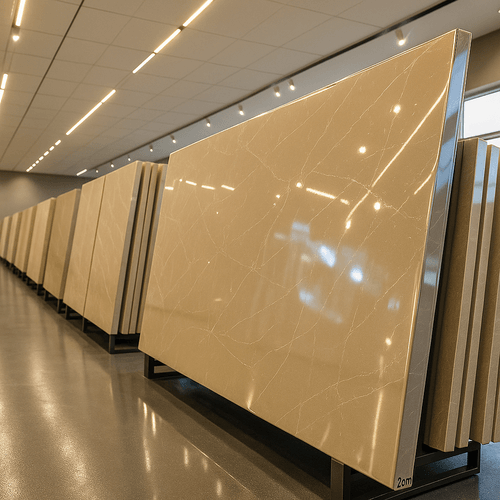
quartz slab-201000438701
Quartz Slab: A Complete Guide to Features, Uses, and Benefits
Quartz slabs have become one of the most popular surface materials in modern interior design and construction. Known for their durability, beauty, and low maintenance, quartz slabs are widely used in residential and commercial spaces. Whether for kitchen countertops, bathroom vanities, flooring, or wall cladding, quartz slabs offer an excellent balance between functionality and style.
What Is a Quartz Slab?
A quartz slab is an engineered stone made from natural quartz crystals combined with resins, polymers, and pigments. Typically, they contain about 90–95% natural quartz, making them extremely hard and durable. The remaining materials help bind the quartz particles together and allow for a wide variety of colors and patterns. This manufacturing process produces a consistent and uniform surface that closely resembles natural stone while offering superior performance.
Key Features of them
One of the main advantages of them is their exceptional strength. Quartz is one of the hardest minerals found in nature, making the slabs highly resistant to scratches, chips, and cracks. This makes quartz ideal for high-traffic areas and heavily used spaces like kitchens.
Another important feature is non-porosity. Unlike natural stones such as granite and marble, they do not absorb liquids. This makes them highly resistant to stains, bacteria, and moisture, ensuring a hygienic surface that is easy to clean and maintain. Routine cleaning requires only mild soap and water, making quartz slabs a practical choice for busy households.
they are also heat-resistant to a certain extent. While they can withstand moderate temperatures, it is recommended to use heat pads or trivets for hot cookware to prevent thermal damage.
Design Versatility and Aesthetic Appeal
One of the greatest advantages of them is their wide range of colors, patterns, and finishes. They are available in solid colors, marble-look designs, concrete styles, and natural stone imitations. This versatility allows homeowners and designers to achieve various interior styles, from minimalist and modern to classic and luxurious.
Because they are engineered, manufacturers can control their appearance, ensuring consistency in color and texture. This makes it easier to match slabs across large surfaces and multiple areas within the same project.
Common Uses of Quartz Slabs
they are most commonly used for kitchen countertops due to their durability, stain resistance, and ease of cleaning. They are also widely used in bathroom vanities, shower walls, and backsplashes. In commercial spaces, quartz slabs are popular for reception desks, hotel lobbies, office worktops, and retail displays.
Additionally, quartz slabs can be used for flooring and wall panels, creating seamless and elegant surfaces that enhance both functionality and aesthetics.
Maintenance and Care
Maintaining quartz slabs is simple and convenient. Daily cleaning involves wiping the surface with a soft cloth and mild detergent. Avoid using harsh chemicals, abrasive cleaners, or scouring pads, as these may dull the surface over time. Although quartz is scratch-resistant, using cutting boards is recommended to protect both the slab and your knives.
With proper care, they can retain their beauty and performance for many years, making them a long-term investment for any space.
Environmental Considerations
Many of them manufacturers use sustainable practices, such as recycling stone waste and minimizing water consumption during production. Some brands also offer eco-friendly quartz slabs made with recycled materials, contributing to environmental conservation while maintaining high quality and performance.
Conclusion
they are a premium surface solution that combines durability, beauty, and practicality. Their resistance to stains, scratches, and moisture, along with their diverse design options, makes them suitable for a wide range of applications. Whether for residential or commercial use, quartz slabs provide a stylish and reliable choice that enhances any interior space.
Common Questions About Quartz Slabs
1. Are quartz slabs natural or artificial?
Quartz slabs are engineered stones made from natural quartz combined with resins and pigments.
2. Are they suitable for outdoor use?
Most of them are not recommended for outdoor use due to UV exposure, which can cause discoloration over time.
3. Do they require sealing?
No, they are non-porous and do not require sealing.
4. Can they withstand heat?
They are heat-resistant but should not be exposed to extremely high temperatures directly.
5. How long do they last?
With proper care, they can last for decades without losing their appearance or performance.

Add a comment