

stone shaping-201000438701
Stone ShapingStone Shaping: The Art and Science of Transforming Rock

Stone shapingStone shaping is one of humanity’s oldest crafts, dating back thousands of years to the earliest tools, monuments, and shelters. From primitive hand axes to intricate sculptures and modern architectural facades, shaping stone has played a crucial role in cultural, artistic, and technological development. This practice combines physical skill, material knowledge, and creative vision, making it both an art and a science.
At its core, stone shaping involves removing material from a larger piece of stone to achieve a desired form. The process begins with selecting the right type of stone. Common stones used for shaping include granite, marble, limestone, sandstone, and slate. Each has unique properties such as hardness, grain structure, durability, and aesthetic appeal. For example, granite is extremely hard and durable, making it suitable for construction and monuments, while marble is softer and finer-grained, ideal for detailed sculpture.
Historically, stone shaping was done entirely by hand using simple tools like hammerstones, chisels made from bone or metal, and abrasives such as sand. Ancient civilizations, including the Egyptians, Greeks, and Romans, developed sophisticated techniques to quarry, cut, and shape massive stone blocks. The precision seen in ancient temples and statues is remarkable, considering the limited tools available at the time. These early craftsmen relied heavily on experience, intuition, and a deep understanding of stone behavior.
The stone shaping process typically follows several stages. First is roughing out, where large chunks of stone are removed to define the basic shape. This stage focuses on proportions rather than detail and often uses heavy tools such as point chisels or mallets. Next comes shaping, where the form is refined and surfaces are smoothed using toothed chisels or rasps. The final stage is finishing, which may involve polishing, texturing, or engraving to enhance the stone’s appearance and bring out its natural patterns.
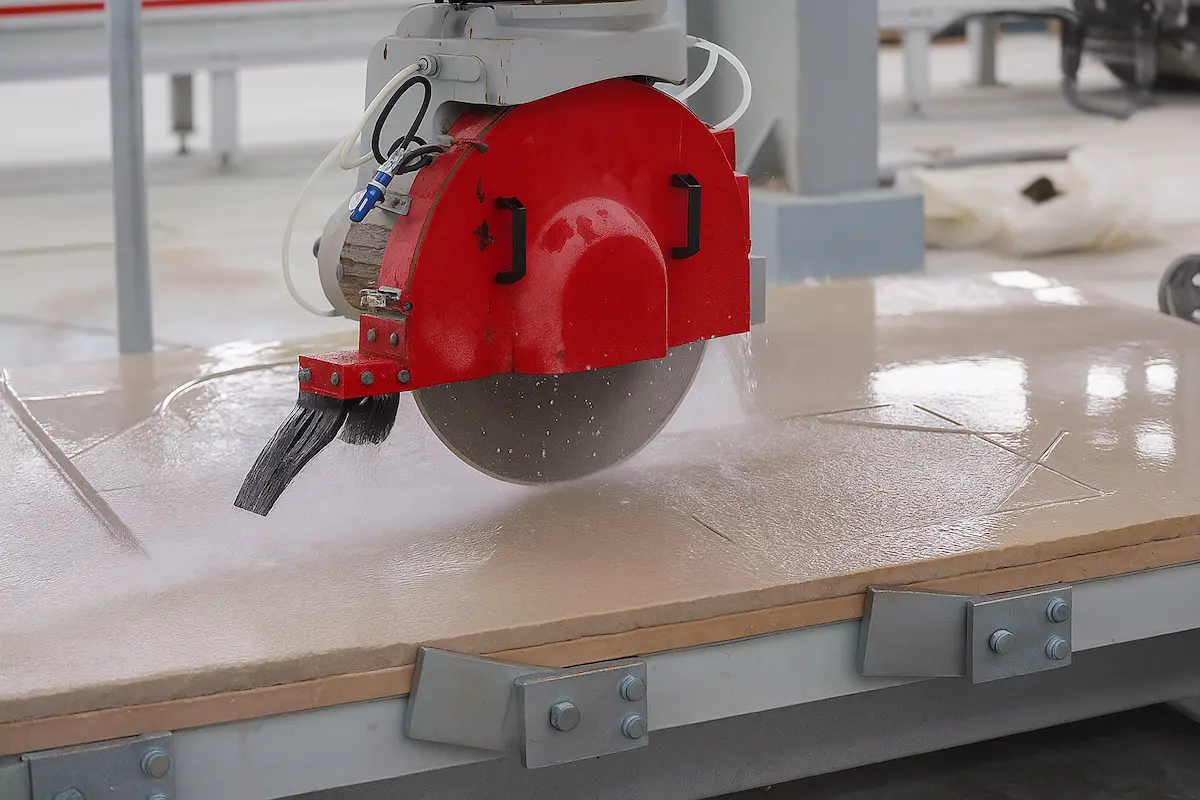
Modern stone shaping has evolved significantly with the introduction of advanced tools and machinery. Power tools such as angle grinders, pneumatic chisels, and diamond-tipped saws allow for faster and more precise work. Computer numerical control (CNC) machines can cut stone according to digital designs, making it possible to produce complex shapes with high accuracy and repeatability. Despite these technological advances, traditional hand-carving techniques are still highly valued, especially in fine art and restoration work.
Stone shaping is widely used across different fields. In architecture, shaped stone is used for structural elements, decorative facades, columns, and flooring. In sculpture, artists shape stone to express ideas, emotions, and stories, often embracing the natural qualities of the material as part of the artwork. In landscaping, shaped stone appears in garden features, pathways, fountains, and retaining walls, blending natural beauty with functional design.
Working with stone also presents challenges. Stone is heavy, rigid, and unforgiving; mistakes are often irreversible. This requires careful planning, patience, and respect for the material. Safety is another important consideration, as stone shaping produces dust, sharp fragments, and significant physical strain. Proper protective equipment and techniques are essential to prevent injury and long-term health issues.
Beyond its practical applications, stone shaping holds symbolic and cultural significance. Stone objects often represent permanence, strength, and continuity. Monuments carved from stone preserve history and memory across generations, while sculptural works connect human creativity with the natural world. The act of shaping stone itself can be deeply meditative, demanding focus and presence in each movement.
In conclusion, stone shaping is a timeless craft that bridges the past and the present. Whether practiced with ancient hand tools or modern machines, it reflects humanity’s enduring desire to transform raw natural materials into meaningful and lasting forms. Through skill, creativity, and respect for stone, this art continues to shape not only rock, but also culture and identity.

Add a comment