

stone shaping-201000438701
Stone Shaping: An Ancient Craft Still Alive Today
Stone shaping is one of the oldest crafts known to humanity. From prehistoric tools and monuments to modern architectural masterpieces and sculptures, the art of shaping stone has played a vital role in human history. This process involves cutting, carving, grinding, and polishing stone to create functional or decorative objects. Despite the development of advanced machinery, stone shaping continues to combine traditional skills with modern techniques.
A Brief History of Stone Shaping
The origins of stone shaping date back millions of years, when early humans used stones to create simple tools for hunting and survival. Over time, civilizations such as the Egyptians, Greeks, and Romans elevated stone shaping into a refined art. The pyramids of Giza, Greek temples, and Roman statues are remarkable examples of how stone was shaped with precision using basic tools.
During the Middle Ages, stone shaping became essential for constructing cathedrals, castles, and bridges. Skilled stonemasons passed their knowledge from generation to generation, creating a strong tradition that still influences modern stonework.
Types of Stone Used in Shaping
Different stones are chosen based on durability, appearance, and ease of shaping. Common types include:
Granite – Extremely hard and durable, often used for countertops and monuments.
Marble – Softer than granite, valued for sculpture and decorative work.
Limestone – Easy to carve, commonly used in buildings and restoration projects.
Sandstone – Medium hardness with a natural texture, popular in architecture.
Slate – Fine-grained stone used for roofing, flooring, and artistic designs.
Each stone requires specific tools and techniques due to its unique physical properties.
Tools and Techniques
Traditional stone shaping relied on hand tools such as chisels, hammers, mallets, and rasps. These tools are still used today, especially by sculptors and artisans who value control and detail.
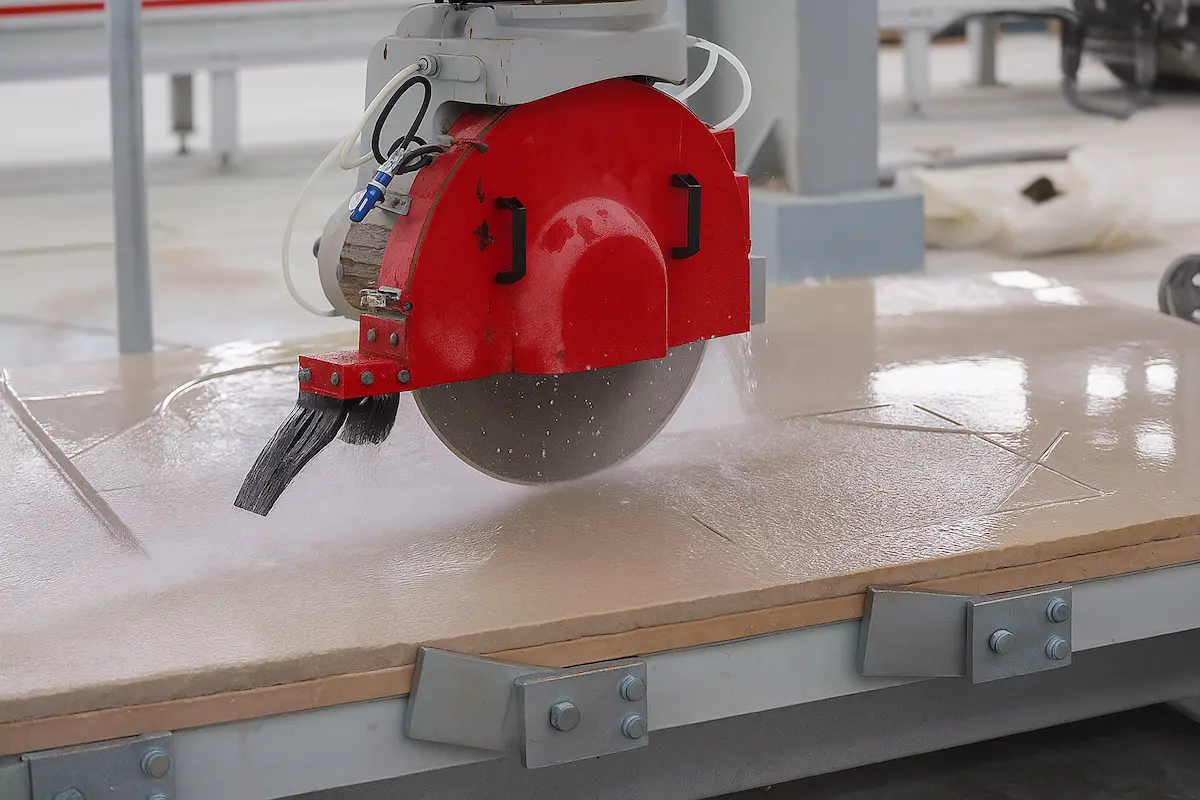
Modern stone shaping also employs power tools and machines, including diamond saws, angle grinders, CNC machines, and polishing equipment. These tools allow for faster production and higher precision, particularly in industrial and architectural applications.
The shaping process usually follows several stages:
Rough cutting – Removing large portions of stone.
Shaping – Defining the form and details.
Smoothing – Eliminating tool marks.
Polishing or finishing – Enhancing texture and appearance.
Applications of it
Stone shaping is used in many fields. In construction, shaped stone is used for walls, floors, columns, and facades. In art, sculptors transform raw stone into statues, reliefs, and monuments. Interior design uses shaped stone for countertops, sinks, tiles, and decorative elements. Landscaping also relies on stone shaping for pathways, fountains, and garden features.
The Future of it
While technology continues to evolve, the demand for skilled stone shaping remains strong. Sustainable construction and restoration projects have increased interest in traditional stone techniques. At the same time, digital design and automation are opening new creative possibilities. The future of stone shaping lies in the balance between craftsmanship and innovation.
Common Questions About it
1. What is it?
Stone shaping is the process of cutting, carving, and finishing stone to create useful or artistic objects.
2. Is it difficult to learn?
It can be challenging at first, but with practice and proper training, beginners can gradually develop the necessary skills.
3. What tools are needed for it?
Basic tools include chisels and hammers, while advanced work may require power tools and cutting machines.
4. Which stone is easiest to shape?
Limestone and sandstone are generally easier to carve than harder stones like granite.
5. Is it still done by hand today?
Yes, especially in sculpture, restoration, and custom stonework, where hand craftsmanship is essential.
6. Can it be a career?
Absolutely. Many professionals work as stonemasons, sculptors, restorers, or stone fabricators.
If you want, I can also simplify the language, make it more academic, or rewrite it for a school or website purpose.

Add a comment