


value of stone-201000438701
The Value of Stone: More Than Just a Natural Material
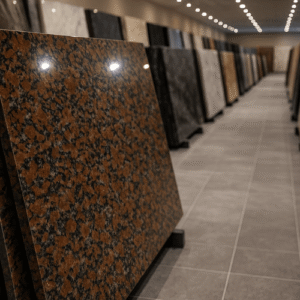
Stone has been one of the most valuable natural materials throughout human history. From ancient monuments to modern jewelry, stone continues to hold economic, cultural, aesthetic, and symbolic importance. Although it may appear simple at first glance, the value of stone goes far beyond its physical form. Its worth is shaped by rarity, durability, beauty, functionality, and meaning across different civilizations and industries.
Historical and Cultural Value
value of stone
Stone has played a crucial role in shaping human civilization. Early humans used stone to create tools, weapons, and shelters, marking the beginning of technological development. Famous historical structures such as the Egyptian pyramids, Stonehenge, and Roman temples demonstrate how stone symbolizes strength, permanence, and legacy. These structures have survived thousands of years, proving the unmatched durability and historical value of stone.
In many cultures, stones also carry spiritual and symbolic meanings. Certain stones were believed to offer protection, wisdom, or healing. For example, jade has been highly valued in Asian cultures as a symbol of purity and harmony, while turquoise was considered sacred by Native American tribes. These beliefs increased the cultural and emotional value of stones beyond their physical use.
Economic and Industrial Value
Stone holds significant economic value in construction and industry. Materials such as granite, marble, limestone, and sandstone are widely used in buildings, roads, bridges, and monuments. Their strength, resistance to weather, and long lifespan make them cost-effective choices for large-scale projects. Natural stone also adds aesthetic value to architecture, increasing property worth and appeal.
In addition, the mining and stone-processing industries provide employment to millions of people worldwide. Countries rich in stone resources often benefit economically through exports and tourism. Famous stone quarries, such as those in Italy or India, are known globally for their high-quality materials.
Aesthetic and Artistic Value
One of the most appreciated aspects of stone is its natural beauty. Each stone has unique colors, patterns, and textures formed over millions of years. Artists and sculptors have long used stone to create timeless works of art. Famous sculptures like Michelangelo’s David highlight how stone can be transformed into masterpieces that hold immense artistic and financial value.
In interior design, stone is valued for its elegance and natural appearance. Marble floors, stone countertops, and decorative stone walls add luxury and sophistication to homes and public spaces. The aesthetic value of stone often increases with age, as natural wear enhances its character rather than diminishing it.
Value of Precious and Semi-Precious Stones
Gemstones represent one of the highest forms of stone value. Diamonds, rubies, emeralds, and sapphires are prized for their rarity, brilliance, and durability. Their value is determined by factors such as clarity, color, cut, and carat weight. Precious stones are often used in jewelry, investments, and royal collections.
Semi-precious stones like amethyst, quartz, and opal are also valuable, especially for decorative and spiritual purposes. Some people believe these stones carry healing energy, which adds personal and emotional value for the owner.
Environmental and Sustainable Value
Stone is a natural and environmentally friendly material when sourced responsibly. Unlike synthetic materials, stone does not release harmful chemicals and requires minimal processing. Its long lifespan reduces the need for replacement, making it a sustainable choice in construction. Recycled stone can also be reused in landscaping and architecture, further increasing its environmental value.
Conclusion
The value of stone lies in its versatility and timelessness. Whether used for construction, art, jewelry, or cultural expression, stone continues to serve humanity in countless ways. Its strength, beauty, history, and symbolism ensure that stone remains one of the most valuable materials on Earth.
Common Questions About the Value of Stone
1. Why is stone considered valuable?
Stone is valuable due to its durability, natural beauty, rarity, and wide range of uses in construction, art, and jewelry.
2. What makes gemstones more valuable than ordinary stones?
Gemstones are rare, visually appealing, and often difficult to extract, which increases their market value.
3. Does stone increase property value?
Yes, natural stone features such as marble floors or granite countertops often increase property value.
4. Is stone environmentally friendly?
Yes, stone is a natural material with a long lifespan and minimal environmental impact when responsibly sourced.
5. Can the value of stone increase over time?
Many stones, especially gemstones and historical stone structures, can increase in value due to rarity and demand.


Add a comment